
This presentation examines traditional medicinal plants at the intersection of local knowledge and colonial scientific investigation in the Philippines from the seventeenth to the nineteenth century. Long before their systematic study by European naturalists, medicinal plants formed part of established bodies of healing knowledge transmitted through practice, experience, and apprenticeship. Traditional medical practitioners possessed specialized knowledge of plants, their preparation, and their therapeutic uses within broader understandings of health and illness. The presentation focuses particularly on the expansion of botanical investigation during the Spanish Enlightenment in the eighteenth and nineteenth centuries.
Crown-sponsored expeditions and, later, botanical institutions sought to identify, collect, cultivate, and classify Philippine plants within broader scientific, commercial, and imperial projects. Yet these investigations encountered a landscape in which plants were already named, known, and used therapeutically by local communities. Colonial botanical inquiry therefore did not begin with discovery. It depended in important ways on learning from existing bodies of knowledge and translating that knowledge into new practices of observation, collection, classification, and scientific evaluation.
Tracing this process from the observations of Francisco Ignacio Alcína to the botanical investigations associated with the Spanish Enlightenment and the work of Manuel Blanco, the presentation considers how knowledge of medicinal plants entered colonial systems of natural history. It asks not only how plants were collected and classified, but how their uses became known to missionaries, naturalists, and medical practitioners and how information about them was interpreted, recorded, and reorganized.
“Instruction” is understood here in more than one direction: as the transmission of practical knowledge about medicinal plants within local communities, but also as the processes of learning that occurred across cultural and epistemic boundaries. European investigators encountered environments in which plants were already embedded in established practices of naming, preparation, and therapeutic use. The history of Philippine medicinal plants is thus one of accretion and translation, in which local therapeutic knowledge persisted and developed even as elements of it were incorporated and reinterpreted within colonial natural history and medicine.
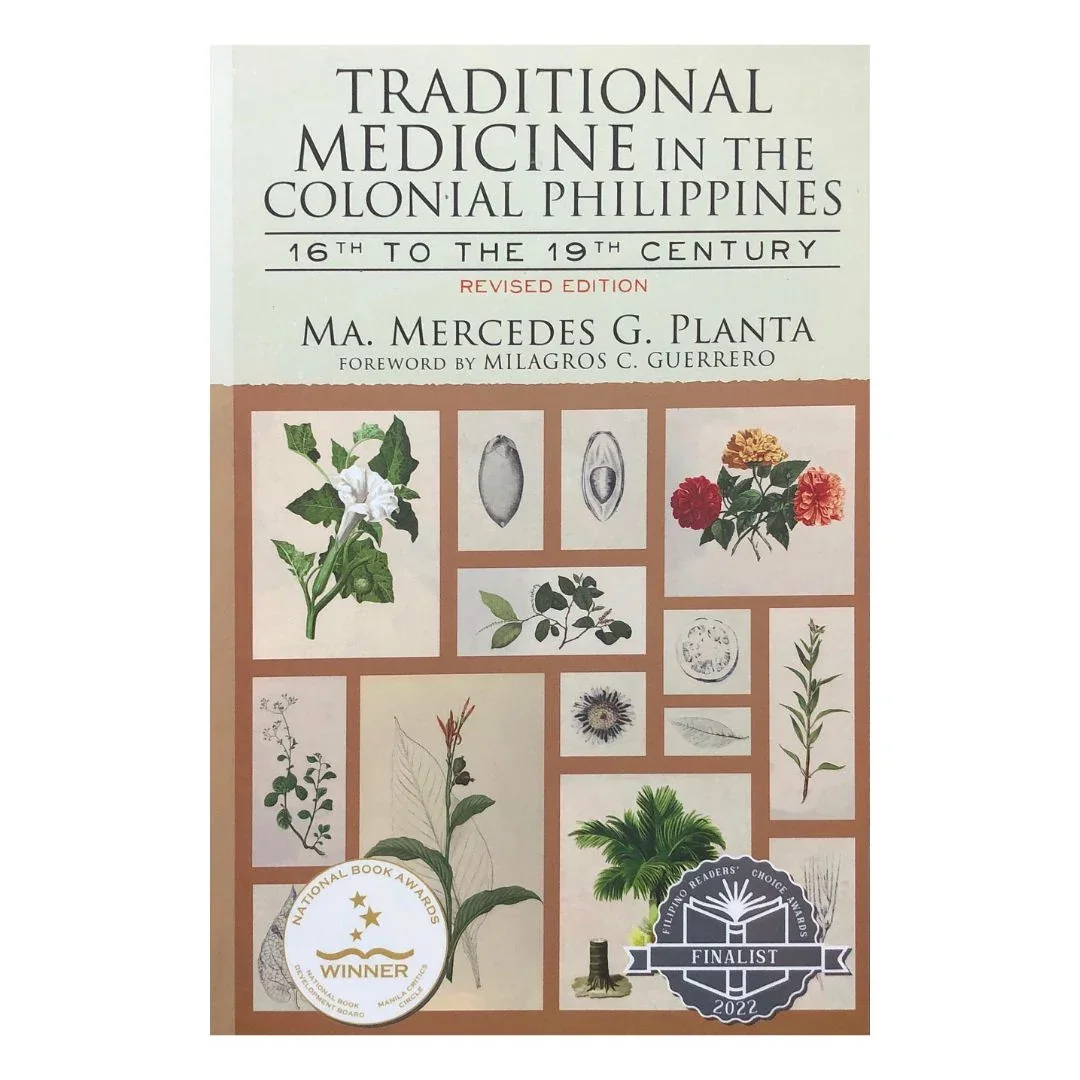
Ma. Mercedes G. Planta is Professor of History at the University of the Philippines, Diliman, specializing in the history of medicine in colonial Southeast Asia. She is the author of Traditional Medicine in the Colonial Philippines, 16th to 19th Century, first published in 2017 and released in a revised edition in 2024 by the University of the Philippines Press. The book received the 2018 National Book Awards of the Philippines for “Best Book in Science” and was a finalist for “Best Book in History” at the 2022 Filipino Readers’ Choice Awards.
Prof. Planta currently serves as Chair of the History and Geography Section of the National Research Council of the Philippines (NRCP) and leads the “Philippine Apothecarium,” a multidisciplinary project dedicated to preserving local medicinal knowledge associated with Philippine medicinal plants and linguistically distinct or endangered languages. The project highlights the vulnerability of local knowledge to language loss and underscores the vital role of language in its transmission and preservation.
For the Zoom link, please email instructingnaturalhistory@uu.se